

When Grace* first walked through the doors at LCSNW, she wasn’t sure she’d make it. The trauma she carried was heavy–too heavy to carry alone–and the legal process ahead felt impossible.
“I didn’t even know where to start”, she said.
“But my advocate… she just let me cry. She didn’t try to fix me. She just sat with me. She sat with me no matter what.”
From the beginning, her advocate provided not only emotional support, but a calm and steady hand through the most overwhelming moments. Her advocate helped her write her victim impact statement, navigate reporting, and attend meetings with the prosecutor’s office. With prosecutors changing often and legal language that felt impossible to understand–especially having lived outside the country for over 30 years–her advocate was the bridge.
“She always asked me where I felt most comfortable. She helped me feel calm when everything around me felt like chaos.”
One of the most retraumatizing parts of the process was the constant delays in court. Each time the case was continued, a new letter would arrive in the mail–a reminder of the trauma and the lack of resolution. Recognizing this pain, her advocate arranged to have the court notices sent directly to her instead. “It may sound small, but it saved me from re-living it every time. That one act showed me I didn’t have to carry it alone.”
Shortly after connecting with advocacy services, Grace was referred to a type of therapy at LCSNW–EMDR (Eye Movement Desensitization and Reprocessing). Now two years into the healing process, she describes therapy as one of the most important and difficult parts of recovery.
“It’s been hard. But it’s helping.”
Grace meets with her therapist nearly every week. Sometimes they talk. Sometimes they don’t. “We talked when talking was needed. Other times, it was just enough to be there. They gave me a safe space to feel what I needed to feel.”
And then there was Walker, LCSNW’s courthouse facility dog, who offered his own quiet comfort. Walker is trained to sit with individuals who are going through their emotions or reliving their trauma.
With her advocate’s help, Grace met with a crime victims’ rights attorney from the Northwest Justice Project. She sat in meetings. She learned to ask questions. “In the beginning, I didn’t understand anything. But now, I speak up. I say, ‘What does that mean?’ I don’t just sit there quietly anymore.”
When it came time for sentencing, her statement was read in court–by an advocate at the prosecutor’s office, supported by her own advocate from LCSNW. She couldn’t read it herself, but she knew she was being heard.
Outside of legal support, her advocate reminded her to practice self-care. She received gift cards, puzzles, and items from Project Beauty Share, as well as emotional check-ins to remind her she wasn’t forgotten.
Her advocate helped connect her with the Department of Corrections to prepare for the offender’s release. “I have a say in what happens now. Whether he’s released here or somewhere else, I get to be part of that decision. I get to plan for my safety.”
Even today, she still checks in with her advocate–on her terms, as needed. There’s no end date. That’s one of the most meaningful parts of the support she received.
“Most systems are done with you after sentencing. But advocacy here is different. My advocate has been here through everything.”
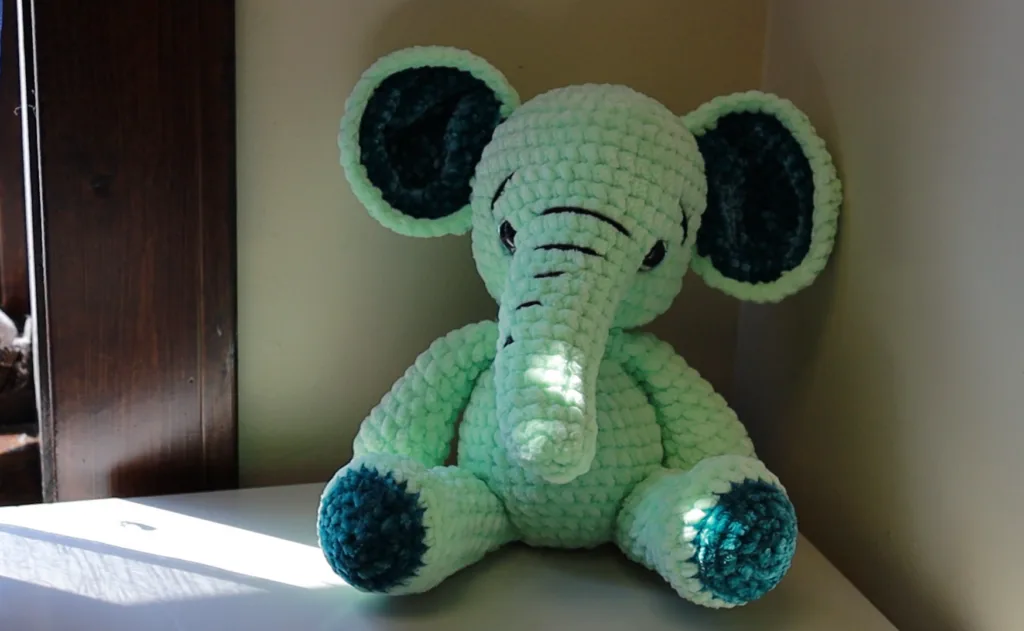
“I found out my advocate likes elephants and the color green. So, I crocheted a little green elephant and gave it to them. It was a way to say thank you… for everything.”
When asked what her life might look like if she hadn’t found support from LCSNW, her answer was immediate and honest:
“I really don’t know. I don’t think I would exist anymore. I couldn’t handle it. It is still hard. That feeling is still really strong sometimes.”
And yet–she continues forward. With strength. With a voice.
“It’s so important. People think advocacy isn’t necessary–but it is. When you go through something like this, you lose your soul. You lose yourself. Advocacy helps you come back.”
Her message to those reading this is simple, but powerful:
“Please don’t stop supporting this work. People like me–like my daughter–we need this. It saves lives.”
Grace is not this client’s real name*