How can organizations train professionals in evidence-based behavioral interventions without requiring extensive time and resources?
That question was presented at the 2026 Association for Contextual Behavioral Science (ACBS) World Conference in Lyon, France, a global gathering of researchers, educators, and practitioners focused on advancing contextual behavioral science and translating research into meaningful impact.
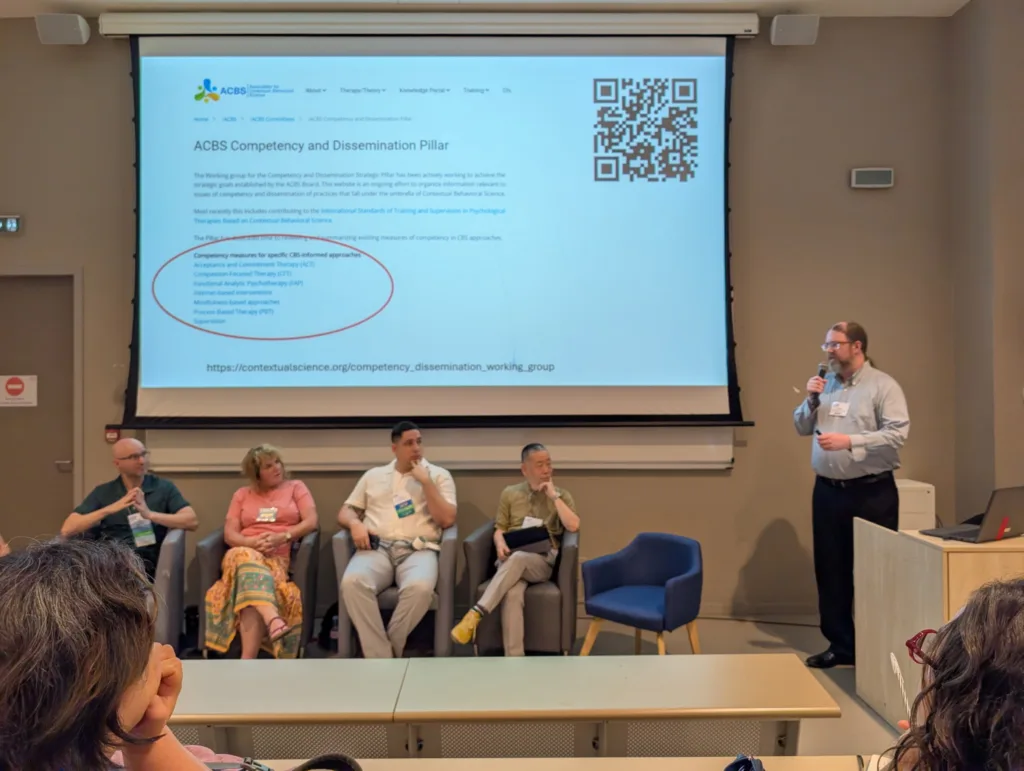
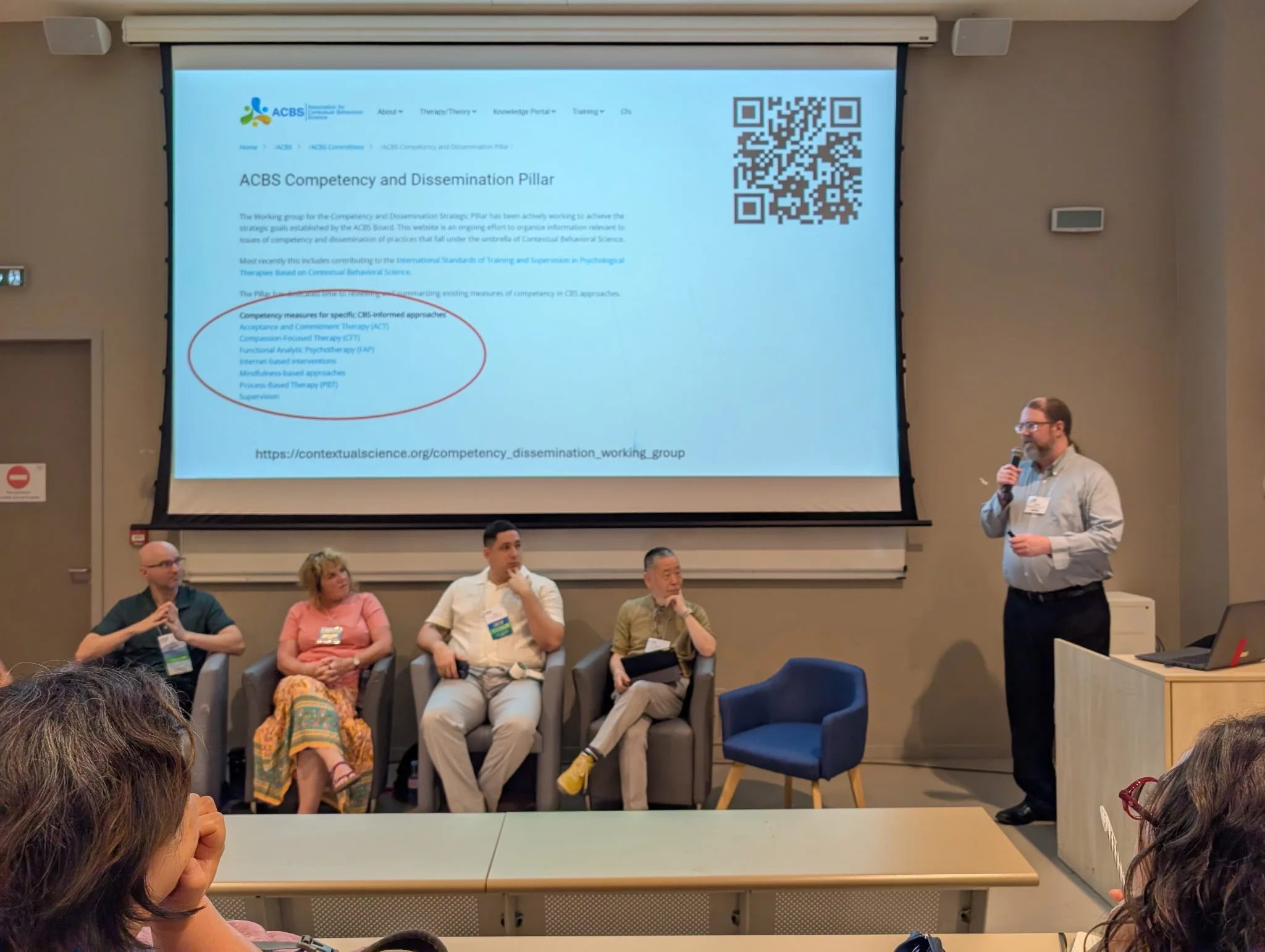
LCSNW Clinical Program Director, Sean Wright, chaired an international panel, “Meeting the Challenges of Training ACT/CBS Interventions to Competency at Scale Worldwide,” featuring leaders from Brazil, Japan, and the United States. The discussion examined one of the field’s most pressing challenges: how to maintain high standards of ACT and CBS training while making those opportunities available to more people across diverse settings.
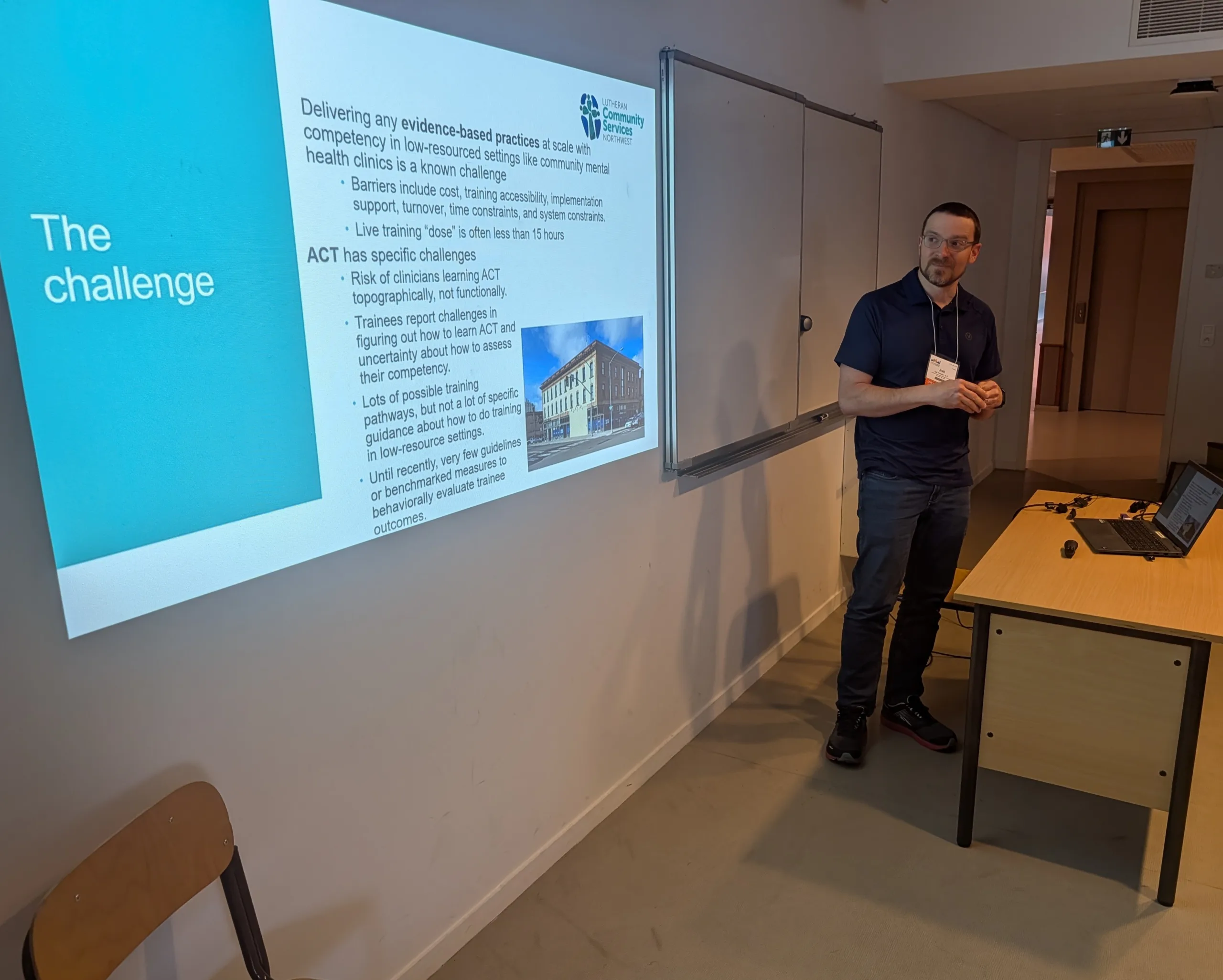
Additionally, LCSNW Mental Health Clinician Joel Templin, along with Sean, presented findings from their study, “A Pragmatic Evaluation of ACT Training Guided by the CBS International Training Standards in a Low-Resource Setting.”
Their evaluation explored whether a brief, internally delivered ACT training could effectively develop competency while reducing the cost and time commitments often associated with traditional training models.
The findings were promising:
- The training was feasible to implement in a low-resource setting.
- Participants reported high levels of engagement and satisfaction.
- Competency outcomes were comparable to those achieved through longer, more resource-intensive training programs.
As demand for evidence-based behavioral health approaches continues to grow, scalable training models will play an increasingly important role in expanding access while maintaining quality. The results are encouraging and we’re so grateful that Sean and Joel represented LCSNW in a global conversation about the future of ACT and contextual behavioral science training.